
Exploring the cultural significance of casinos in modern society
The Evolution of Casinos
Casinos have evolved significantly over the decades, transforming from simple gambling houses into intricate entertainment complexes. Historically, these venues were primarily associated with gambling, attracting a specific clientele. However, modern casinos have diversified their offerings, incorporating high-end dining, live entertainment, and luxury accommodations, making them multifaceted destinations for leisure and recreation. For those looking to explore the best online betting sites, the rise of technology has also changed how gamblers engage with these environments.
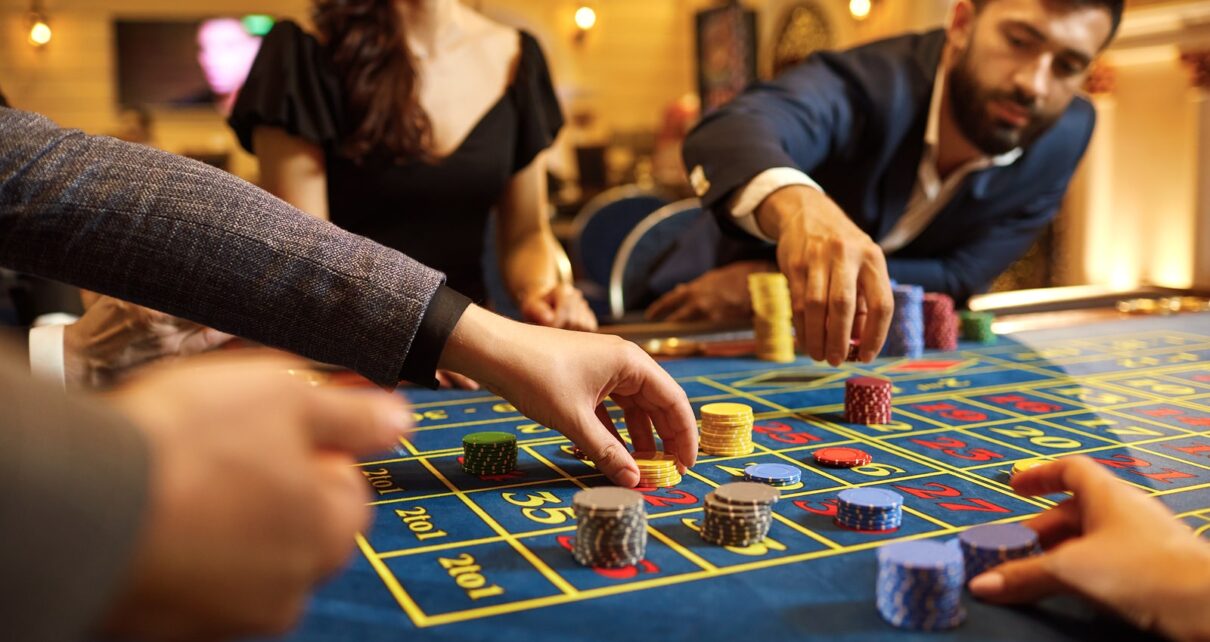
This evolution reflects broader societal changes, including the increasing acceptance of gambling as a form of entertainment. As public perceptions shift, casinos have become more integrated into mainstream culture, appealing to a wider demographic and promoting a social atmosphere that encourages interaction and community engagement.
The Social Aspects of Casino Culture
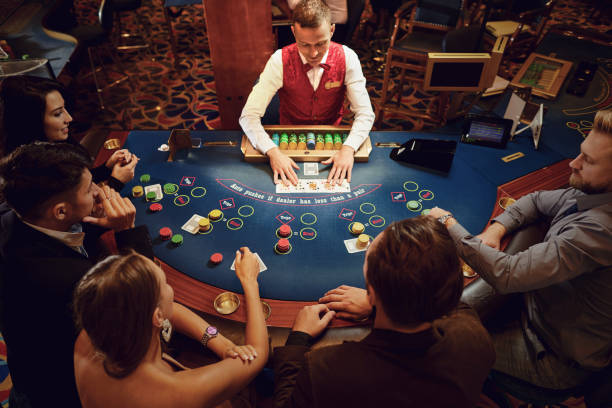
Casinos often serve as social hubs where people gather to share experiences and build relationships. The lively environment, filled with sounds of slot machines and laughter, fosters a sense of camaraderie among visitors. This social dynamic is evident in the way people celebrate milestones, such as birthdays or bachelor parties, by visiting casinos together. Popular casino games explained in a casual manner can further enhance these shared experiences, making them memorable for all involved.
Moreover, casinos host events and tournaments that encourage participation and competition among players. This not only enhances the social experience but also creates a sense of belonging and community among frequent visitors, reinforcing the cultural significance of casinos as places for shared enjoyment and connection.
Economic Impact of Casinos
The economic contributions of casinos to local and national economies cannot be overlooked. They generate significant revenue through gaming, hospitality, and tourism, creating jobs and stimulating local businesses. In many regions, casinos are vital to economic development, attracting tourists and enhancing the overall attractiveness of the area.
Additionally, the tax revenues generated from casino operations often fund public services and infrastructure projects. This economic impact plays a crucial role in shaping public attitudes towards gambling, as communities recognize the benefits that casinos can bring, from improved roads to enhanced educational facilities.
Cultural Representation in Media
Casinos have long been a popular subject in film, television, and literature, symbolizing both luxury and risk. Iconic movies and shows have romanticized the casino experience, portraying it as a glamorous lifestyle filled with excitement and danger. This representation has influenced public perceptions, often blurring the lines between reality and fiction.
As media continues to explore themes related to gambling, casinos remain central to discussions about human behavior, risk-taking, and the pursuit of fortune. This ongoing representation reinforces their cultural significance, embedding them deeper into the fabric of modern society and shaping the narratives surrounding wealth and success.
Conclusion: The Role of Casinos Today
In conclusion, casinos are more than just venues for gambling; they are significant cultural institutions that reflect and shape societal values. Their evolution from simple gambling houses to complex entertainment destinations highlights their adaptability and relevance in modern society.
As they continue to thrive, casinos serve not only as entertainment but also as economic engines and social gathering places, reinforcing their status as vital components of contemporary culture. Understanding their cultural significance allows us to appreciate the multifaceted roles they play in our lives today.